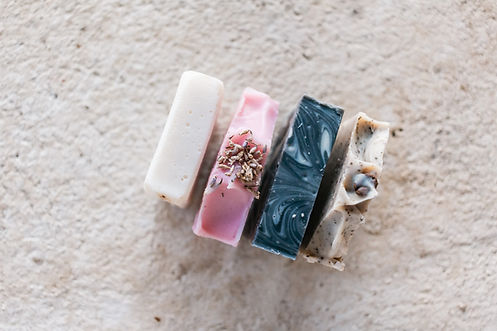


The Art of Slab Soapery: Handmade and Natural
- Lisa Kolodgy

- Oct 20, 2025
- 4 min read
Handmade natural soap has become a cherished craft for many who seek a more authentic and eco-friendly approach to personal care. Unlike mass-produced soaps, handmade soaps offer unique textures, scents, and benefits that come from natural ingredients and traditional methods. This post explores the art of creating slab soapery, a technique that combines creativity, sustainability, and wellness into every bar.
Understanding Handmade Natural Soap
Handmade natural soap is crafted using ingredients derived from nature, such as plant oils, herbs, and essential oils. These soaps avoid synthetic chemicals, preservatives, and artificial fragrances, making them gentle on the skin and environmentally friendly.
What Makes Handmade Soap Different?
Natural Ingredients: Oils like olive, coconut, and shea butter nourish the skin.
Cold Process Method: This traditional technique preserves the beneficial properties of ingredients.
Customization: Makers can add herbs, clays, and essential oils for unique effects.
Sustainability: Minimal packaging and biodegradable ingredients reduce environmental impact.
For example, a lavender and oatmeal soap can soothe irritated skin while providing a calming scent. The natural glycerin produced during soap making also helps retain moisture, unlike commercial soaps that often strip the skin, due to the removal of the naturally occurring glycerin that is then sold to make other products.

The Craft of Slab Soapery: Creating Handmade Natural Soap
Slab soapery uses a method where soap is poured into large slabs and then cut into individual bars. This approach allows us to create consistent shapes and sizes while experimenting with layers, swirls, and embedded elements.
Step-by-Step Slab Soap Making
Prepare Ingredients: Measure oils, lye, and additives carefully.
Mix Lye and Water: This chemical reaction is the base of soap making.
Combine Oils and Lye Solution: Stir until the mixture reaches "trace" - a pudding-like consistency.
Add Colors and Scents: Natural clays, herbs, and essential oils are mixed in.
Pour into Slab Mold: The soap is poured into a flat mold to set.
Cure and Cut: After 24-48 hours, the slab is cut into bars and cured for 4-6 weeks.
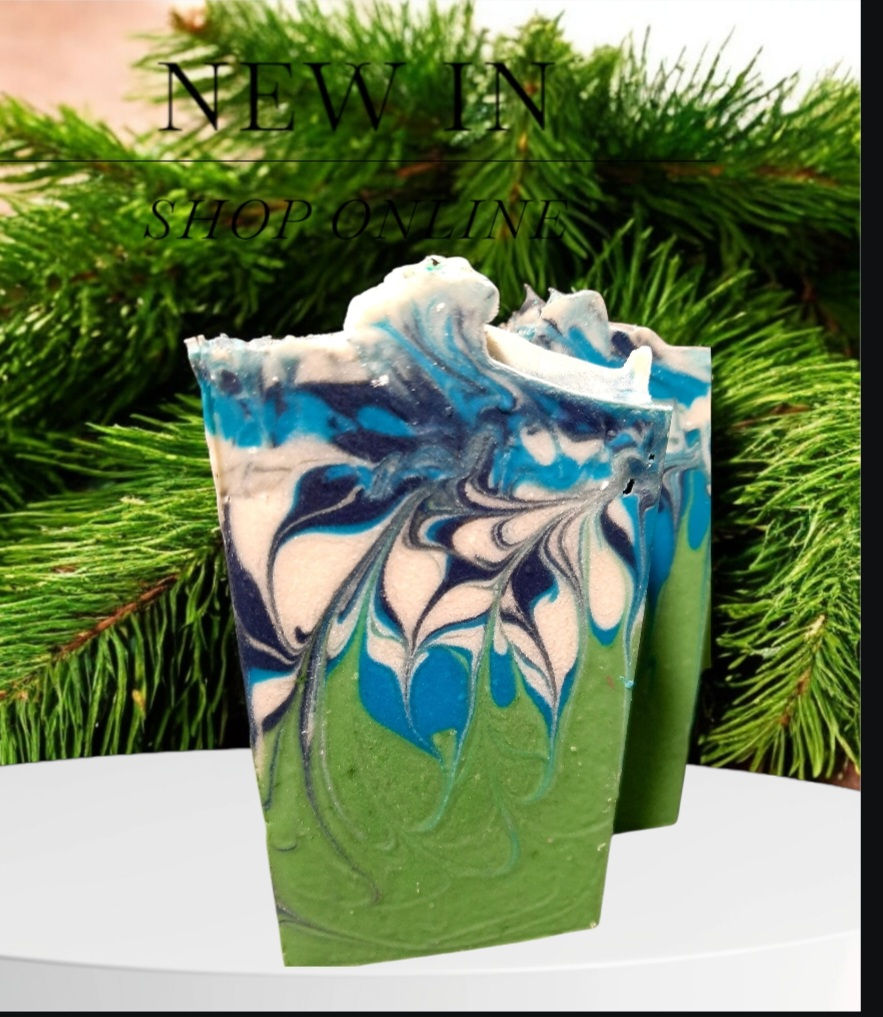
This process requires patience and precision but results in beautiful, high-quality soap bars. The slab method also allows for creative designs, such as layering different colors or embedding dried flowers.
Benefits of Slab Soapery Handmade Soap
Efficiency: Large batches can be made and cut as needed.
Customization: Easy to create multi-layered or textured bars.
Quality Control: Consistent curing and cutting improve product uniformity.

Choosing Ingredients for Your Handmade Natural Soap
The choice of ingredients defines the soap’s properties and appeal. Here are some popular natural ingredients and their benefits:
Oils and Butters: Olive oil (moisturizing), coconut oil (cleansing), shea butter (nourishing).
Essential Oils: Lavender (calming), peppermint (refreshing), tea tree (antibacterial).
Additives: Oatmeal (exfoliating), activated charcoal (detoxifying), clays (cleansing and color).
Liquids: Water, herbal teas, or milk can replace water for added benefits.
When selecting ingredients, consider skin types and preferences. For example, sensitive skin benefits from gentle oils like sweet almond and soothing additives like chamomile.
Tips for Ingredient Selection
Use organic and sustainably sourced materials when possible.
Avoid synthetic ingredients.
Test small batches to ensure skin compatibility.
Label ingredients clearly for customers with allergies.
How to Care for Handmade Natural Soap
Proper care extends the life and quality of handmade soap bars. Here are some practical tips:
Keep Soap Dry: Use a well-draining soap dish to prevent sogginess.
Store Properly: Store unused bars in a cool, dry place away from direct sunlight.
Use Gently: Handmade soaps lather well but avoid harsh scrubbing.
Rotate Bars: Using different bars alternately helps them last longer.
Handmade soaps tend to last longer than commercial ones because they contain natural oils that moisturize rather than dry out the skin. This makes them ideal for daily use and a luxurious addition to any bathroom.
Embracing the Handmade Natural Soap Lifestyle
Choosing handmade natural soap is more than a skincare decision - it’s a lifestyle choice that supports sustainability, creativity, and wellness. By using soaps crafted with care, you reduce exposure to harmful chemicals and support small artisans.
For those interested in exploring this craft or purchasing quality products, slab-soapery.com offers a wonderful selection of handmade natural soaps made with passion and overv20 years of expertise.
Whether you want to make your own soap or find the perfect bar for your skin, embracing the art of slab soapery connects you to a tradition of natural beauty and mindful living.
Handmade natural soap is a timeless craft that combines art, science, and nature. By understanding the process, ingredients, and care, anyone can appreciate the value of these beautiful, nourishing bars. Start your journey today and experience the difference that handmade natural soap can make.
Additionally, if you are interested in our soap for your business, let's chat!


Comments