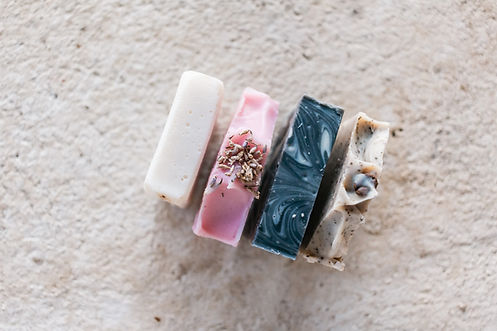


The Benefits of Going Organic with Your Skincare Routine
- Lisa Kolodgy

- Jul 21, 2025
- 3 min read
In today's beauty market, the appeal of organic skincare is growing rapidly. With more people acknowledging the importance of taking care of their skin, an organic skincare routine offers numerous benefits. One particular area that deserves attention is organic soaps. Made without harmful chemicals, these soaps can provide a refreshing and effective way to cleanse and nourish the skin. Let’s explore the various advantages of incorporating organic soaps into your daily regimen.
Why Choose Organic Soaps?
Our organic soaps are made with natural ingredients that are free from synthetic additives, preservatives, and fragrances containing phthalates. By using these soaps, you minimize the risk of skin irritations and allergic reactions. Many conventional soaps contain harsh chemicals that can strip your skin of its natural oils, leading to dryness and irritation.
Organic soaps, on the other hand, are often formulated with nourishing ingredients like essential oils, botanicals, and natural fats. These components not only cleanse but also hydrate and protect your skin. An added bonus? Many organic soap manufacturers prioritize sustainable sourcing and environmentally-friendly production practices, making these products better for the planet.

The Skin Benefits of Organic Soaps
The benefits of organic soaps extend beyond just cleansing. Here are some notable skin advantages to consider:
1. Gentle on the Skin
Organic soaps are typically milder than their conventional counterparts. They are less likely to cause irritations and are suitable for sensitive skin types. Many people who struggle with eczema or psoriasis find relief when they switch to organic soaps, as they are often free from allergens.
2. Rich in Nourishment
Natural ingredients in organic soaps can provide essential nutrients for your skin. Ingredients like shea butter, coconut oil, and olive oil can retain moisture and help maintain a healthy skin barrier. These nourishing components are crucial in combating dryness and promoting overall skin health.
3. Antioxidant Properties
Many organic soaps contain plant-based ingredients rich in antioxidants. Antioxidants neutralize free radicals that contribute to skin aging. Regularly using products with these properties can help reduce the appearance of fine lines, enhance skin elasticity, and promote a youthful glow.
Do I Need FDA Approval to Sell Homemade Soap?
If you’re considering creating your own organic soaps to sell, you may wonder about regulatory requirements. The good news is that if you are making homemade soap that qualifies under the category of "toilet soap," you do not need FDA approval. However, it is essential to ensure that your product is labeled correctly and is safe for the consumer.
Keep in mind that while you might not require FDA approval for soaps, other regulations may apply if you’re using specific claimed benefits, like therapeutic properties. Always stay informed about local laws and regulations regarding the sale of homemade cosmetics and personal care products.
Eco-Friendly and Sustainable Benefits
Switching to organic soaps is not only beneficial for your skin; it’s also a responsible choice for the environment. Traditional soap production often involves processes that can harm the ecosystem, such as the use of non-biodegradable ingredients and excessive plastic packaging.
Conversely, many organic soap brands implement sustainable practices. This means using eco-friendly packaging, opting for local and organic ingredients when possible, and reducing their carbon footprint. By choosing organic soaps, you are supporting companies that prioritize environmental stewardship and contribute to the health of our planet.

Making the Switch to Organic Soaps
Transitioning to organic soaps can be straightforward and rewarding. Here are some actionable steps you can take to start this journey:
Research and Choose Wisely: Look for brands that prioritize transparency and sustainability. Check ingredient lists to ensure they are indeed organic and free from harmful additives.
Trial and Error: Not every soap will suit your skin. It may take some experimentation to find organic soaps that are the best fit for your skincare needs.
Incorporate into Routine: Start by integrating organic soap into your daily washing routine. Use it for handwashing, body cleansing, or even as a face wash, depending on the product specifications.
Stay Informed: Keep learning about new products, benefits, and best practices in skincare. The organic skincare landscape is continuously evolving, and new brands frequently emerge with innovative solutions.
Consider DIY: If you feel adventurous, you might want to experiment with making your own organic handmade soaps. This option allows for complete control over ingredients and customization.
In conclusion, the benefits of going organic with your skincare routine, particularly through the use of organic soaps, are manifold. From nourishing the skin and enhancing its health to promoting eco-friendliness, the reasons to make the switch are compelling. As you explore the world of skincare, consider incorporating these wonderful options into your daily regimen, including organic handmade soaps. Always remember that what you put on your skin matters—choose wisely for eternal beauty and wellness.


Comments